







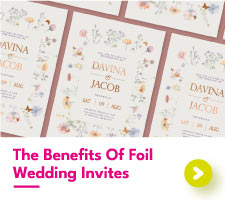






Double-sided A5 silk finish 350gsm invitations, fo... Double-sided A5 silk finish 350gsm invitations, foil text over printed image backgrounds. Excellent help from the website enabled me to create the necessary files for uploading from scratch. I needed to clarify a couple of requirements (noob tech questions), but after the phone call with the excellently informative and patient customer support, all was clear. Shared the files via Google, digital proof the next day, invitations arrived a week later (standard turnaround). Excellent quality! The packaging was exceptional, so the 100 invitations were perfect on arrival N.B. a signed-for delivery allows you to inspect the package and sign for damage, if you see any. Very pleased indeed with the product and process, so I am more than happy to recommend Aura Print!
Custom Print TCG Cards
- Take your game fandom to a new level and print your own trading cards
- Make your own TCG cards with the help of our in-house design team
- Order your TGC cards on curated paper stocks designed to match your deck aesthetic
Whether you’re an artist looking to showcase your creativity in the form of custom trading card printing, a game developer playtesting a brand new TCG concept, or simply a friend looking for a personalised gift idea packed full of personality and sentimentality, you’re in the right place. Our trading card game printing service is one of the best in the industry. You can print trading cards online with ease thanks to our simple calculator below.
Perfect for TCG fans and enthusiasts, if you’re looking to create personalised replicas of some of your favourite TCG’s, limited-edition collectables to sell at gaming conventions, or educational TCG cards for your gaming-obsessed students, our team is ready to help off the best trading card printing UK and beyond. Keen to learn more? Stick with us!
Make Your Own TCG Cards
If you’re ready to get trading cards printed, we’re here to help you. With a range of handy guides designed to walk you through the entire process to handy templates crafted to ensure your playing card design sits within our print boundaries, you can’t go wrong with Aura Print's premium playing card printing! Once you’re happy with your print-ready artwork, simply configure your order below and our team will get to work turning your custom TCG cards into a reality.
Need help in the design department? Our trading card printing services can go further for you. Whether you’re a busy event promoter or TCG perfectionist, our design team will work from your detailed design brief to create a showstopping design before your TCG card printing gets underway. What’s more, with the option to print as many or as few cards and decks as you need, we’ll ensure every single card is nothing short of perfect.
Print TCG Cards with Customised Configuration
At Aura Print, we pride ourselves on our custom finishes. So, whether you want a personalised shiny TCG replica card designing and printing for your best mate’s 30th or a limited edition run of fuchsia pink, double-thick playing card decks as a thank you to your Patreon subscribers, we can help you print custom trading cards that will impress without measure.
To allow you to see our entire paper catalog and premium finishes for yourself before your TCG card printing gets underway, we’ve crafted a range of jam-packed sample packs designed to help you make an informed decision. Showcasing everything from our enormous range of curated paper stocks to our shimmering metallic foil shades, luxury laminates, and rounded corners, ordering your custom TCG cards with all the trimmings is a sure-fire way to knock the socks off your competitors, fans, and customers.
Need custom-cut playing card boxes to house your brand new TCG decks? Why not swing by our playing card box order page before checking out!
Professional Card Stocks for Trading Card Printing
Our trading card printing is available on eight premium card stocks, giving you full control over card feel, durability and artwork reproduction. From smooth coated finishes designed for vibrant colour depth and sharp game graphics to textured recycled boards and tear-resistant synthetic materials, each stock offers different handling characteristics depending on how your cards will be played, collected or sold. If you are comparing finishes and materials for your deck, explore our guide to understanding coated and uncoated paper types.
Whether you are producing competitive trading cards, collectible expansion sets or independent TCG releases, selecting the right stock is essential for achieving a professional gameplay experience. Premium materials help improve shuffle consistency, maintain edge quality during repeated handling and ensure colours remain bold and detailed across every card in your deck.
Can I Create My Own Trading Card Game Universe?
Absolutely. Many of the TCG creators we work with aren’t just designing cards, they’re building entire worlds around them.
We regularly print trading card projects featuring original factions, lore systems, elemental classes, character evolutions, rival archetypes, in-game currencies, and fully developed universes designed to grow over time. Some creators build competitive strategy games, while others focus more heavily on collectibility, storytelling, or artwork.
After working on a large number of independent TCG projects, one of the biggest things we’ve noticed is that the strongest games usually feel cohesive across both gameplay and worldbuilding. Consistent visual identity, card framing, terminology, and faction design all help make a trading card game feel more immersive and professionally developed.
How Do TCG Creators Handle Card Rarity Systems?
Rarity systems are a huge part of modern trading card game design, particularly for games built around collecting, booster packs, and community trading.
Many creators structure their sets around common, uncommon, rare, ultra-rare, legendary, or alternate-art cards, often using different borders, foil treatments, numbering systems, or artwork variations to visually separate rarer pulls from standard cards. Some games also introduce limited editions, signed variants, or promotional exclusives for Kickstarter campaigns and convention releases.
Premium finishes can play a major role here too, especially for chase cards and collector-focused variants designed to stand out visually within a set.
Can I Print Fan-Made or Proxy TCG Cards?
Many customers create custom cards for personal projects, fan-made expansions, testing mechanics, cube drafting, parody concepts, or casual gameplay with friends.
We regularly work with creators producing original artwork, custom tokens, homebrew expansions, and unofficial community content for personal use. However, customers are responsible for ensuring they have the rights or permissions required for any artwork, branding, or intellectual property included within their designs.
Projects featuring fully original artwork and mechanics usually provide the greatest creative freedom when developing custom trading card products.
How Can I Make My Trading Cards Feel Authentic?
A lot of what makes a trading card feel authentic comes down to consistency and handling.
Things like stock thickness, finish choice, edge quality, colour saturation, card framing, typography, and shuffle feel all contribute to whether a card feels like part of a genuine TCG product rather than a simple printed card. Players and collectors tend to notice small inconsistencies very quickly, especially within larger sets.
Many creators also spend a significant amount of time refining frame layouts, rarity placement, icon systems, and border structures so cards feel cohesive when viewed together inside binders, booster pulls, or deck builds.
Can I Create Alternate Art or Collector Variants?
Definitely. Alternate artwork variants have become one of the most popular features in modern trading card games.
We regularly print special-edition cards featuring alternate illustrations, borderless artwork, extended art, foil accents, collector numbering, exclusive convention promos, and Kickstarter-exclusive variants designed specifically for collectors and dedicated players.
These kinds of variants are often used to create excitement around launches, reward early supporters, or introduce chase cards into booster-style systems. Many creators also release seasonal variants or artist collaborations as their games grow.
How Should TCG Cards Be Designed for Competitive Play?
Competitive trading card games usually need to communicate information quickly and consistently during gameplay.
Things like stat placement, icon clarity, card hierarchy, text spacing, colour coding, and faction identification can have a huge impact on how smoothly matches flow during play. This becomes especially important once players begin managing larger board states or reading multiple cards quickly during competitive turns.
One of the most common issues we see with early TCG prototypes is overcrowded layouts where too much information competes for attention at once. Cleaner frame design and strong visual hierarchy often make a huge difference to overall gameplay usability.
If you’re preparing layouts for print, our guide on how to check your artwork for print covers some of the most common setup and readability issues we see before production.
Can I Print Small Test Sets Before Expanding My TCG?
Many trading card game creators begin with smaller test sets before expanding into larger releases.
Prototype runs are commonly used for balancing archetypes, testing gameplay mechanics, refining rarity systems, gathering community feedback, and introducing beta versions of a game before full production begins. Physical cards often reveal gameplay pacing and readability issues that aren’t obvious during digital testing alone.
Smaller runs cost more per unit but are incredibly useful for convention demos, creator previews, influencer mailers, and early Kickstarter campaigns where creators want to build interest before scaling into larger print quantities.
What Card Size Works Best for Sleeves and Binders?
Most TCG creators choose card sizes compatible with standard sleeves, binders, deck boxes, and storage systems, particularly for games intended for collecting and competitive play. TCG (Trading Card Game) token cards are usually produced at the same size as standard playing cards and measure 64mm wide x 89mm high, often with rounded corners.
Compatibility becomes especially important once players begin storing large collections, building decks, or trading cards within the community. Oversized or unusual card formats can sometimes create issues with accessories, storage, and tournament-style organisation.
If you’re comparing dimensions before preparing your files, our paper size guide can help you explore common trading card formats and print sizes.
What Corner Radius Works Best for TCG Cards?
Most trading card games use rounded corners because they improve handling, reduce edge wear, and help cards shuffle more comfortably during gameplay.
For standard-sized TCG cards, 3.5mm rounded corners are usually the most popular option as they closely resemble the style commonly seen on commercial trading cards and work well with sleeves, binders, and deck boxes. Some creators choose 6mm corners for a softer appearance, while larger formats may suit 16mm corners depending on the overall card size and artwork style.
Corner radius can also affect how authentic a card set feels once printed, particularly for collector-focused projects where consistency across the deck is important. After working on a large number of custom TCG projects, we’ve found that most creators prioritise a balance between professional appearance, gameplay handling, and long-term durability when choosing corner styles.
What’s the Best Way to Organise Large TCG Sets for Print?
Keeping large trading card sets organised properly before production can make a huge difference to both proofing and gameplay consistency.
Many TCG projects contain hundreds of cards across multiple rarities, factions, expansions, and collector variants, so clear naming structures, numbering systems, set symbols, and organised artwork folders become incredibly important during production.
Consistent layouts and structured file management also help ensure cards remain visually cohesive across future expansions and reprints, particularly for long-term projects planning multiple releases over time.
If you’re preparing files for production, our guide on printing bleed explains how safe zones and trim areas work when setting up professional print artwork.
Absolutely. Many of the TCG creators we work with aren’t just designing cards, they’re building entire worlds around them.
We regularly print trading card projects featuring original factions, lore systems, elemental classes, character evolutions, rival archetypes, in-game currencies, and fully developed universes designed to grow over time. Some creators build competitive strategy games, while others focus more heavily on collectibility, storytelling, or artwork.
After working on a large number of independent TCG projects, one of the biggest things we’ve noticed is that the strongest games usually feel cohesive across both gameplay and worldbuilding. Consistent visual identity, card framing, terminology, and faction design all help make a trading card game feel more immersive and professionally developed.
- SKU
- playing-cards-tcg-ap-uk