








Printing Custom Trivia Cards
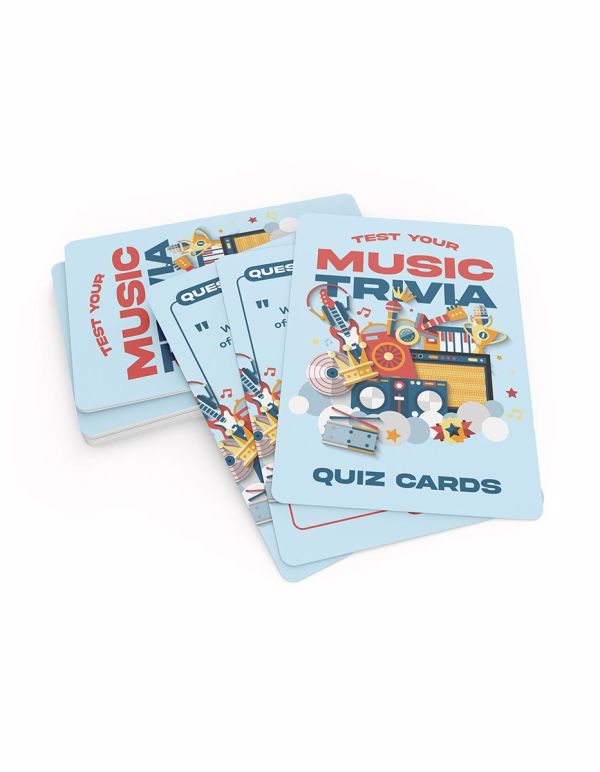
- Create custom trivia cards for your event with an enormous range of personalisation options
- Make your own trivia cards for pub quizzes, school classes, family gatherings, and more
- Create memories with custom trivia cards available with in-house design assistance
Whether you’re a poker player looking for a more robust and durable alternative to paper cards, a parent searching for custom made playing cards for summer holidays, or a teacher hunting down playing cards designed to withstand repeat use by students, we’ve got custom plastic playing cards for you.
Are you looking to add a personalised, entertaining element to an event, learning environment, or social gathering? At Aura Print, we’ve spent the best part of a decade perfecting the art of custom wedding trivia cards and more, employing an in-house design army who love nothing more than designing fun and informative custom quiz cards.
Having teamed up with businesses and individuals on both sides of the Atlantic from our humble Yorkshire print shop, we know how to make trivia cards that entertain, educate, and bring people together. So, whether you need to make your own quiz cards for your annual Christmas family gathering, complete with fun trivia about your parents, Nan, and even the family dog, or custom wedding trivia cards to sprinkle a few big-brained laughs around the wedding breakfast table, we know how to make trivia cards that leave a lasting impression.
Make Your Own Quiz Cards with Competition-Beating Customisation
If you need to know how to make trivia cards that’ll have family members creasing with laughter, pub punters gasping at outrageous facts, and employees bonding over a much-needed team building quiz, you’re in the right place. It doesn’t matter what you need your custom quiz cards for – we’re here for it, and we’ve got more customisation options than you’re likely to find elsewhere.
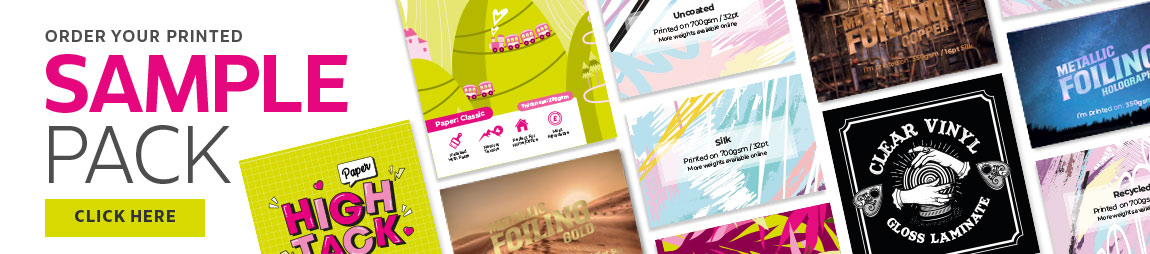
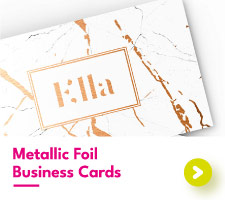
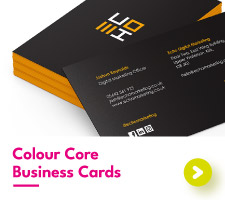
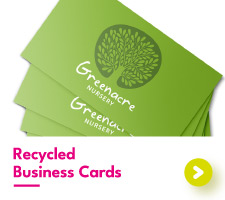
From custom wedding trivia cards to branded custom trivia cards for your businesses launch, we’ve got enough custom finishing options to ensure your cards match the aesthetic you have in mind. Whether you’re looking for a cardstock classic such as silk or uncoated, a bold and unique GF Smith Colorplan, or an eco-friendly recycled stock, we’ve curated our enormous paper range to help you make quiz cards that live up to your expectations. To see our paper catalogue for yourself before ordering, we recommend browsing our sample pack range, complete with all of our premium finishes. Including luxury laminates, shimmering metallic foils in a multitude of shades, rounded corners, and more, you need to see it to believe it!
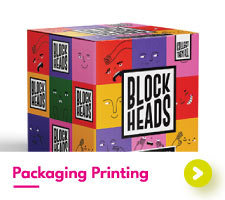
Need to order trivia card boxes alongside your custom trivia cards? Head over to our playing card box order page before hitting the check-out button!
How to Make Quiz Cards: It’s All in the Design
Whether you need a single trivia card or 100 decks packed with 100 cards, our design team is on hand to make your own quiz cards a reality. To team up with one of our design experts, send us a detailed design brief post-checkout and we’ll aim to have the first design proof in your inbox in as little as 1 working day. What’s more, if you’re not 100% satisfied right away, your designer will make as many revisions as it takes to get your custom wedding trivia cards big-day ready!
Got designs ready to go? Well, it couldn’t be easier! Place your order, send us your print-ready artwork post-checkout and we’ll get to work bringing your custom quiz cards to life.
Premium Card Stocks for Trivia Card Printing
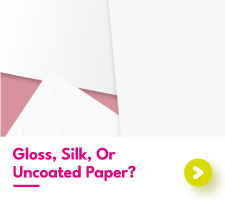
Our custom trivia card printing is available on eight professional card stocks, allowing you to create quiz cards with the ideal balance of durability, readability and handling performance. From smooth coated finishes for vibrant graphics and sharp text reproduction to writable uncoated boards and tear-resistant synthetic materials, each stock offers different benefits depending on how your trivia cards will be used. If you would like to better understand the differences between print finishes and materials, read our guide to choosing the right coated or uncoated paper stock.
Whether you are producing pub quiz cards, educational quiz packs, party games or branded promotional trivia decks, selecting the right stock helps improve usability and long-term durability. Premium materials help cards withstand repeated handling, maintain print clarity during gameplay and give your finished trivia cards a more polished, professionally manufactured feel.
How Many Questions Should a Trivia Game Include?
There’s no fixed number, but most successful trivia games usually strike a balance between replayability and keeping the deck manageable.
Smaller trivia decks often work well for travel games, quick-fire quizzes, and themed party games, while larger sets are more suited to pub quizzes, family game nights, educational products, and replayable retail games. Many creators also break larger games into categories, expansion packs, or difficulty levels to stop the experience becoming repetitive too quickly.
After working on a large number of trivia card projects, we’ve found that pacing and variety tend to matter far more than simply cramming in as many questions as possible.
Should Trivia Answers Appear on the Same Side as the Question?
This usually comes down to how the game is designed and played.
Many trivia games place answers on the reverse of the card so players can quiz each other without accidentally revealing information too early. Others keep questions and answers together on the same side for self-testing, educational revision, or solo learning formats where quick reference is more important than competitive gameplay.
Some creators also use hidden answer boxes, colour blocks, or smaller typography to keep answers less visible during multiplayer games.
How Do You Structure Trivia Categories Effectively?
One of the biggest things that affects how enjoyable a trivia game feels is category balance.
Games with too much overlap between categories can quickly feel repetitive, while overly niche subjects may make certain players disengage entirely. Many creators organise decks around broad themes like film, music, sport, geography, history, or pop culture, often mixing easier and harder questions together to keep gameplay flowing naturally.
Colour coding, icons, and category headers also make a huge difference during fast-paced rounds where players need to identify topics quickly.
What Makes Trivia Cards Easy to Read During Gameplay?
Trivia cards are often read in social environments where lighting, distance, and distractions can all affect readability.
One of the most common mistakes we see is trying to fit too much information onto a single card using small fonts or tightly packed layouts. Clear spacing, readable typography, and strong contrast usually make a much bigger difference to gameplay than decorative design elements.
This becomes especially important for pub quizzes, party games, and team games where players may be reading cards across tables rather than holding them directly in front of them.
If you’re preparing layouts for production, our guide on how to check your artwork for print covers some of the most common readability and setup issues we see before printing.
Can Trivia Cards Be Used for Team Building or Corporate Events?
Custom trivia cards are increasingly popular for corporate events, staff training, onboarding, conferences, networking sessions, and team-building activities.
Many businesses create branded trivia decks featuring company knowledge, industry questions, workplace culture prompts, icebreakers, or event-specific challenges designed to encourage interaction between teams. Because the format feels far more relaxed and conversational than traditional training materials, trivia cards can help make learning and participation feel much more engaging.
We also regularly work with agencies and event organisers producing branded quiz decks for promotional campaigns and live events.
Are Trivia Cards Better for Quick-Fire or Long-Form Games?
This usually depends on the audience and environment the game is designed for.
Quick-fire trivia formats tend to work especially well for parties, pubs, icebreakers, and casual social games where pacing and energy are important. Longer-form trivia games often suit dedicated quiz nights, educational products, strategy-based scoring systems, or more competitive gameplay sessions where players expect deeper question rounds.
Many creators combine both approaches by including rapid-fire bonus rounds alongside more detailed category cards to keep gameplay varied.
Can I Create Adult Trivia or Drinking Game Cards?
Picture quiz cards usually work best when images remain large, uncluttered, and easy to recognise quickly during gameplay.
Logos, landmarks, celebrities, album covers, sports teams, flags, and visual identification rounds tend to perform particularly well when the layout prioritises image clarity over excessive surrounding text. Many creators also leave additional spacing around images so players can focus on recognition without visual distractions.
Image quality becomes especially important for trivia games because blurry or low-resolution graphics can make questions feel frustrating rather than challenging.
If you’re preparing image-heavy files for production, our guide on how to set up photos for print explains how to achieve stronger print quality before ordering.
Can I Add Scorekeeping or Challenge Mechanics to Trivia Cards?
Many modern trivia games combine traditional questions with challenge mechanics, bonus rounds, penalties, multipliers, or social gameplay elements to make the experience feel more interactive.
We regularly print trivia decks featuring wager systems, timed rounds, dare cards, steal mechanics, punishment cards, and category multipliers designed to add more unpredictability and replayability during gameplay. Some creators also use separate challenge decks alongside core trivia questions to vary pacing between rounds.
This kind of structure is especially popular for party games and social trivia formats designed around larger groups.
What Card Size Works Best for Trivia Cards?
Trivia cards are often more text-heavy than standard playing cards, so readability usually becomes the biggest factor when choosing a size. A lot of our customers opt for larger sizes than our traditional 64mm x 89mm cards.
Smaller cards can work well for rapid-fire quizzes and compact travel games, while larger formats give more room for longer questions, multiple-choice answers, category systems, or picture rounds. Many quiz hosts and educational creators also choose larger cards because they’re easier to read across tables and group settings.
If you’re comparing dimensions before preparing your artwork, our paper size guide can help you explore common card formats and print sizes.
There’s no fixed number, but most successful trivia games usually strike a balance between replayability and keeping the deck manageable.
Smaller trivia decks often work well for travel games, quick-fire quizzes, and themed party games, while larger sets are more suited to pub quizzes, family game nights, educational products, and replayable retail games. Many creators also break larger games into categories, expansion packs, or difficulty levels to stop the experience becoming repetitive too quickly.
After working on a large number of trivia card projects, we’ve found that pacing and variety tend to matter far more than simply cramming in as many questions as possible.
- SKU
- playing-cards-trivia-ap-uk